 CONTACT


Red Notice Removal
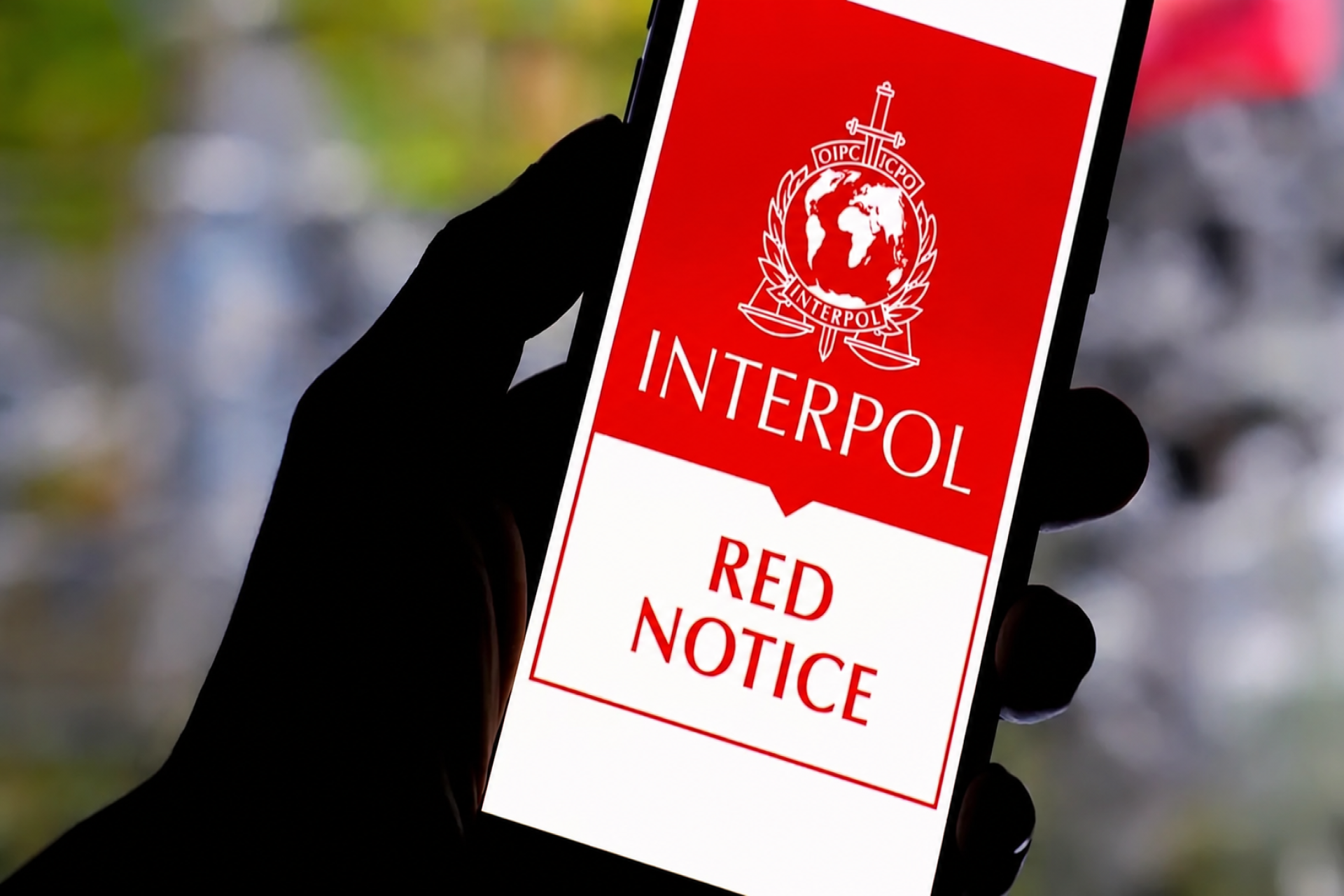
Red notice removal, personal data Deletion or correction of Interpol registration It is an international application process carried out for the purpose of . Applications are made to the Interpol Files Control Commission, or CCF for short.
Merely denying the accusation is not enough for the red notice to be removed. It must be explained with concrete documentation why the recording violates the Interpol Constitution, data processing rules or fundamental human rights.
What is a Red Notice?
Red notice is a request to locate a person for whom there is a valid arrest warrant or court verdict and to temporarily capture him for the purpose of extradition or similar legal action.
Red notice is not an independent international arrest warrant. Each country determines according to its own law whether to take arrest or other measures against a person.
In Which Circumstances Can a Red Notice Be Removed?
CCF examines whether the recordings comply with Interpol rules. The following situations may form the basis for a request for deletion or correction of a red notice:
- The pursuit is predominantly of a political, military, religious or racial nature,
- Serious violation of the person's fundamental rights and fair trial guarantees,
- Lack of a valid arrest warrant or sufficient forensic information,
- The accusation does not constitute a serious ordinary crime,
- The data is incorrect, incomplete or out of date,
- Removal of the national arrest warrant or termination of the criminal file,
- There is a final decision due to the same act,
- The record arises from a private law, family or predominantly administrative dispute,
- The person has been granted refugee status due to fear of persecution.
Not every reason alone will result in automatic deletion. The accusation of the file, its political context, national court decisions and the statements of the country requesting the recording are evaluated together.
Political Red Bulletins
Article 3 of the Interpol Constitution prohibits the organization from being involved in activities of a political, military, religious or racial nature. For this reason, even if there is an apparently ordinary criminal charge, it can be demonstrated that the real purpose is to follow a political opponent, journalist, human rights defender or a certain group.
In the assessment of political nature, the activities of the person, the time of the accusation, the judicial system in the requesting country, the connection between the accusation and political events, and reports of international organizations may be taken into account.
Does Refugee Status Affect the Red Notice?
If the person has been granted refugee status by another state due to the risk of persecution in the country requesting the search, this decision is an important evidence in the CCF application.
If refugee status is officially confirmed, Interpol may delete a red notice or diffusion record originating from a country where the person fears persecution. Since the asylum application and the finalized refugee status may not have the same legal consequences, the nature of the decision must be clearly documented.
Where to Apply for Red Notice Removal?
The application is made to the Requests Department of the Interpol Files Control Commission. CCF is an independent supervisory body that examines requests for access to, correction and deletion of personal data in the Interpol system.
As of March 26, 2026, CCF applications are made through a private and secure online portal. The relevant person can make the application directly or through his/her duly authorized lawyer or representative.
Can a Registration Inquiry Be Made First?
If it is not known for certain whether there is a red notice or other Interpol data about the person, an application for access to the CCF can be made first.
The fact that a person's name does not appear on Interpol's public website does not necessarily indicate that there is no record of him. Some of the records can only be viewed by the authorized units of the member countries.
What Documents Are Used in CCF Application?
Although the content of the application varies depending on the file, the following documents can be used:
- Passport and identity documents,
- If applying through a lawyer, power of attorney,
- Court decision showing that the arrest warrant has been revoked,
- Decisions regarding acquittal, no prosecution or closure of the file,
- Decisions regarding the rejection of the extradition request,
- Refugee status or asylum decisions,
- Documents showing political activities and the purpose of the pursuit,
- International reports on human rights violations,
- Evidence showing that the accusation is false or outdated.
The connection of the documents to the event should be clearly explained and, if possible, a regular chronology should be prepared. Instead of presenting a large number of irrelevant documents, clear and verifiable documents supporting each legal claim should be included.
How to Review a CCF Application?
CCF first examines whether the application meets the form and admissibility conditions. If the application is accepted, information can be requested from the Interpol General Secretariat and the National Central Office of the source country.
Access applications are generally accepted within four months from the date the application is deemed acceptable; Applications for correction or deletion are decided within nine months. Requests for additional information and the complexity of the file may affect the process.
Does the CCF Decide Whether a Person is Guilty?
No. CCF is not a criminal court. It does not decide whether a person is guilty or innocent by hearing witnesses or re-evaluating all criminal evidence.
The duty of the Commission is to evaluate whether data about the person is processed in accordance with the Interpol Constitution and Data Processing Rules. The merits of the criminal file must be separately pursued before the judicial authorities of the relevant country.
If the Red Notice is Deleted, Will the National Arrest Warrant Be Removed?
No. Deletion of the Interpol record does not automatically terminate the foreign investigation, court decision or national arrest warrant.
In order to lift the national arrest warrant, additional legal action may be required in the country requesting the recording. Similarly, the closure of the national file does not necessarily mean that the Interpol record is immediately and automatically removed from all systems.
Is the Deletion Decision Notified to Member States?
If a red notice or diffusion is found to be against Interpol rules, the registration will be cancelled. Member states are informed about the decision and asked to remove or update the relevant information in their national databases.
However, it may be necessary to separately monitor whether national databases have been updated. If the person has a travel plan, the domestic legal practices of the relevant countries should also be evaluated. Lifting the ban on entry to Türkiye where necessary, the administrative and judicial remedies of the relevant country should be examined together.
What Does a Red Notice Removal Lawyer Do?
Interpol lawyercreates the legal strategy of the file by distinguishing between the red notice and the national arrest warrant.
The main duties of the lawyer are as follows:
- Preparing the CCF access, rectification or deletion application,
- To determine the reasons for violation of Interpol rules,
- To examine foreign court decisions and asylum documents,
- Coordinating with lawyers in the requesting country,
- To carry out the defense if there is an arrest or extradition process in Türkiye,
- To follow up on the deletion decision being reflected in national records.
Frequently Asked Questions
Can the red notice be removed once and for all?
Exact results cannot be guaranteed for every file. The decision to remove is dependent on documentary evidence that the recording violates Interpol rules.
Is there a fee to apply for CCF?
Applications for access, correction and deletion to the CCF are reviewed free of charge by Interpol. Lawyer, translation and document procurement expenses may also arise.
Can a red notice removal application be made with a lawyer?
Yes. The application can be made through a lawyer or other authorized representative by submitting the necessary authorization documents.
Does rejecting the refund request automatically remove the red notice?
No. The justification for the return decision may be important in the CCF review, but by itself it does not result in automatic deletion in every case.
Will the travel ban be completely lifted when the red notice is deleted?
Even if the Interpol record is deleted, national arrest warrants, visa decisions or country-specific security records may remain. In terms of Türkiye removal of threat code may require separate administrative and legal review. The records of the relevant countries should also be evaluated before travel.
Can the CCF decision be re-applied?
If a new and important fact emerges that could change the outcome of the previous decision, a revision application may be made to the CCF to review the decision.
Legal information: This content has been prepared for general information purposes. Red notice, diffusion, national arrest warrant and extradition are different processes. The legal remedy to be applied should be determined by the person's citizenship, the charge, the type of registration and the requesting country.