 CONTACT


Inheritance Rights of Dual Citizens in Turkey
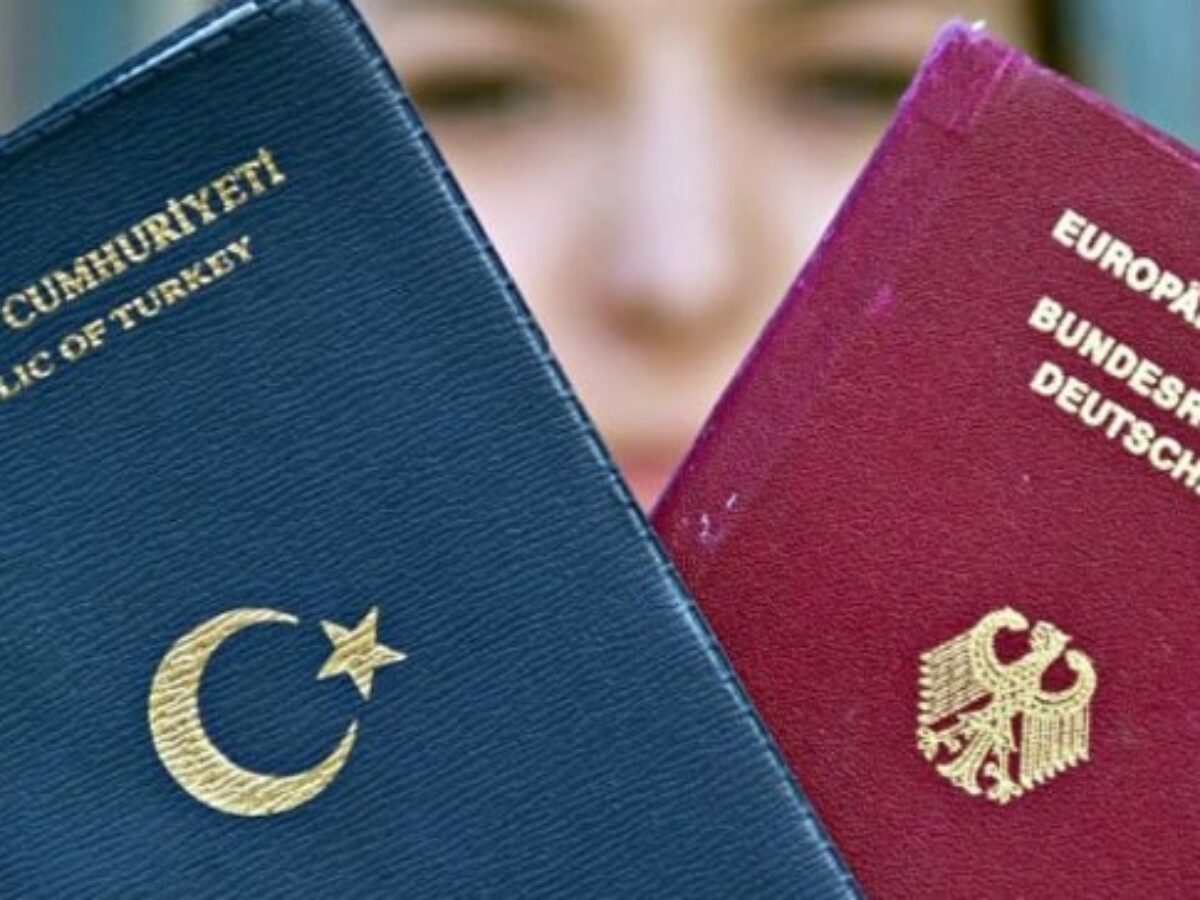
Dual citizenship does not prevent being an heir or receiving a share of inheritance in Türkiye. The fact that a person is both a Turkish and a foreign citizen does not reduce his legal inheritance share and does not put him in a lower position than other heirs. In connection with this topic Inheritance Law You can also review the content titled .
However, an important distinction must be made in inheritance files with dual citizenship: Is the person with dual citizenship the testator or the heir? In determining the applicable law, the citizenship of the deceased person is often important, not the heir. About the relevant aspect of the process Transfer of Inherited Real Estate in Türkiye to Foreign Heirs There is detailed information on the page.
Which Citizenship is Considered?
If a person has more than one citizenship, the applicable law cannot be chosen according to the country desired by the parties in every case. Turkish private international law rules make the following distinction:
- If the person is also a Turkish citizen, Turkish law is taken as basis.
- If a person is a citizen of two or more foreign countries, the law of the state with which he has the closest relationship is applied.
In determining the closest relationship, the country where the person lives permanently, family life, working order, property relations and social ties can be evaluated.
Four Different Dual Citizenship Scenarios
| Status | Conclusion in terms of Heritage |
|---|---|
| The deceased is both a Turkish and a foreign citizen | Turkish law applies in the evaluation based on citizenship. |
| Two foreign nationals leaving an inheritance | The law of the state with which it has the closest relationship is researched. |
| The heir is both a Turkish and foreign citizen | Dual citizenship does not increase or decrease the share of inheritance; The share is determined according to the applicable inheritance law. |
| There is real estate in Türkiye | Turkish law applies to the immovable property, regardless of the citizenship of the testator and the heirs. |
Dual Citizenship Testator's Properties in Türkiye
If the testator is both a Turkish citizen and a citizen of another country, Turkish citizenship is taken as basis in the inheritance examination in Turkish courts. Inheritance of spouse, children, mother and father and reserved shares can be evaluated according to the Turkish Civil Code.
The result is clearer for real estate in Türkiye. Turkish law applies regardless of the testator's other citizenship regarding the house, land, field or workplace.
However, the mandatory inheritance, title deed and tax rules of that country may also be applied to real estate or bank accounts located in a foreign country. It should also be investigated whether the decision taken in Türkiye will be directly processed in a foreign country.
Does the Share of a Dual Citizen Heir Change?
No. The fact that the heir has a second citizenship does not cause him to be given more or less inheritance share.
For example, if a Turkish citizen has two children, one of whom is only a Turkish citizen and the other is a Turkish and German citizen, the children do not receive different shares depending on their citizenship. Children with the same degree of inheritance have equal rights unless there is another legal situation requiring otherwise. Also Inheritance Process of Foreigners Who Own Real Estate in Türkiye The issues explained in should be evaluated together with the concrete incident.
Similarly, the subsequent acquisition of foreign citizenship does not automatically eliminate the previously born right of inheritance.
Why is it important for the Multiple Citizenship Registry to be up to date?
If a Turkish citizen acquires citizenship of another state, this may be recorded in the population family registry. Having multiple citizenship records up to date makes it easier to determine that the foreign passport and Turkish identity records belong to the same person.
Especially for people using different surnames in foreign countries, the following documents may be required:
- Turkish identity card and foreign passport,
- Identity certificate showing multiple citizenship registration,
- Name equivalence certificate,
- Marriage or divorce certificate,
- Birth and family records,
- Dual translation and certification documents.
If name differences in the documents are not disclosed, additional documents may be requested during the inheritance deed, bank payment or title deed transfer.
Is Having a Blue Card Considered Dual Citizenship?
No. The Blue Card holder is not currently a Turkish citizen. This status provides certain rights to people who became Turkish citizens by birth and lost their Turkish citizenship with permission to resign, and their descendants specified in the law.
Blue Card holders continue to benefit from many rights granted to Turkish citizens, except for exceptions in the law. However, in the inheritance file, a person with a Blue Card and a person who is both a Turkish and foreign citizen should not be considered as having the same legal status.
How Do Dual Citizens Obtain a Certificate of Inheritance?
The deed of inheritance shows who the heirs are and their shares. If the file contains foreign family records, different citizenships or documents issued in a foreign country, it may be necessary to apply to the civil court of peace.
The following documents are generally used in the application:
- Death certificate,
- Turkish and foreign identity records of the deceased,
- Identity and passports of the heirs,
- Population and family records,
- Birth and marriage certificates,
- Will or inheritance agreement, if any,
- Apostille or consular certification for foreign documents,
- Notarized Turkish translations.
If the testator has two foreign citizenships, the court may investigate which state he is more closely related to. If the testator is also a Turkish citizen, Turkish law is taken as basis in terms of citizenship connection.
Transfer of Real Estate in Türkiye
After the deed of inheritance is received, an application can be made through Web Land Registry or the land registry office to transfer the real estate to the name of the heirs. One of the heirs can initiate the application.
In case of title deed transfer, an identity document, a certificate of inheritance, a power of attorney if there is representation, and a DASK policy may be requested for real estate in the nature of a building. Inheritance documents received from courts abroad may need to be approved by Turkish courts.
If the heir is also a Turkish citizen, it is important that the Turkish citizenship and population records are correct. If the identity information in the foreign passport is different, name and person matching must be made.
Is it sufficient to carry out transactions in Türkiye for an inheritance abroad?
No. If a dual citizen has assets in different countries, the inheritance, title deed, banking and tax procedures of each country can be carried out separately. Inheritance Procedures for Foreigners Deceased in Türkiye content explains other legal points related to this stage.
In order for the inheritance certificate obtained from Türkiye to be used in a foreign country, apostille, translation, recognition or a separate inheritance certificate from that country may be required. Likewise, the document obtained in a foreign country may not be directly valid in Türkiye.
For this reason, it should not be thought that a single inheritance document will automatically transfer assets in all countries.
How is Inheritance and Transfer Tax Applied?
The inheritance of property in Türkiye may be subject to inheritance and transfer tax, regardless of the second citizenship of the testator or heir.
In addition, property belonging to Turkish citizens abroad may also be evaluated within the scope of inheritance and transfer tax in Türkiye under certain conditions. For this reason, the tax rules of both countries should be examined together for the inheritances abroad of people who have both Turkish and foreign citizenship.
Heirs can submit inheritance and transfer tax returns together or separately in proportion to their inheritance shares. It may also be possible to process through the consulate for heirs living in a foreign country.
What Dual Citizens Should Pay Attention to
- The citizenship status of the testator on the date of death must be verified.
- Turkish population register and foreign passport information should be compared.
- Immovable properties in Türkiye and properties abroad should be evaluated separately.
- The validity of foreign court and inheritance documents should be checked.
- Tax liabilities in both countries should be investigated.
- Blue Card and dual citizenship should not be confused.
Dual Citizenship and Inheritance with Short Questions
Does being a dual citizen change the share of inheritance?
No. The number of citizenships does not increase or decrease the inheritance share.
Which law applies to the testator who is both a Turkish and a foreign citizen?
Turkish law applies in the determination to be made on the basis of citizenship. Immovable properties in Türkiye are subject to Turkish law in all cases.
Which law applies to a testator with two foreign citizenships?
The law of the state with which the testator has a closer relationship is investigated.
Can I inherit if the surname in the foreign passport is different?
Yes. However, name equivalence, marriage or birth certificates may be required to show that two records belong to the same person.
Is a Blue Card holder considered a dual citizen?
No. A Blue Card holder is a person who has been granted permission to renounce Turkish citizenship and has a special legal status.
Can foreign country law be applied to real estate in Türkiye?
No. Turkish law applies to immovable properties located in Türkiye.
Legal information: This content has been prepared for general information purposes. Applicable law; It should be determined according to whether the dual citizen is the testator or heir, the citizenships at the date of death, the country where the assets are located and international agreements.